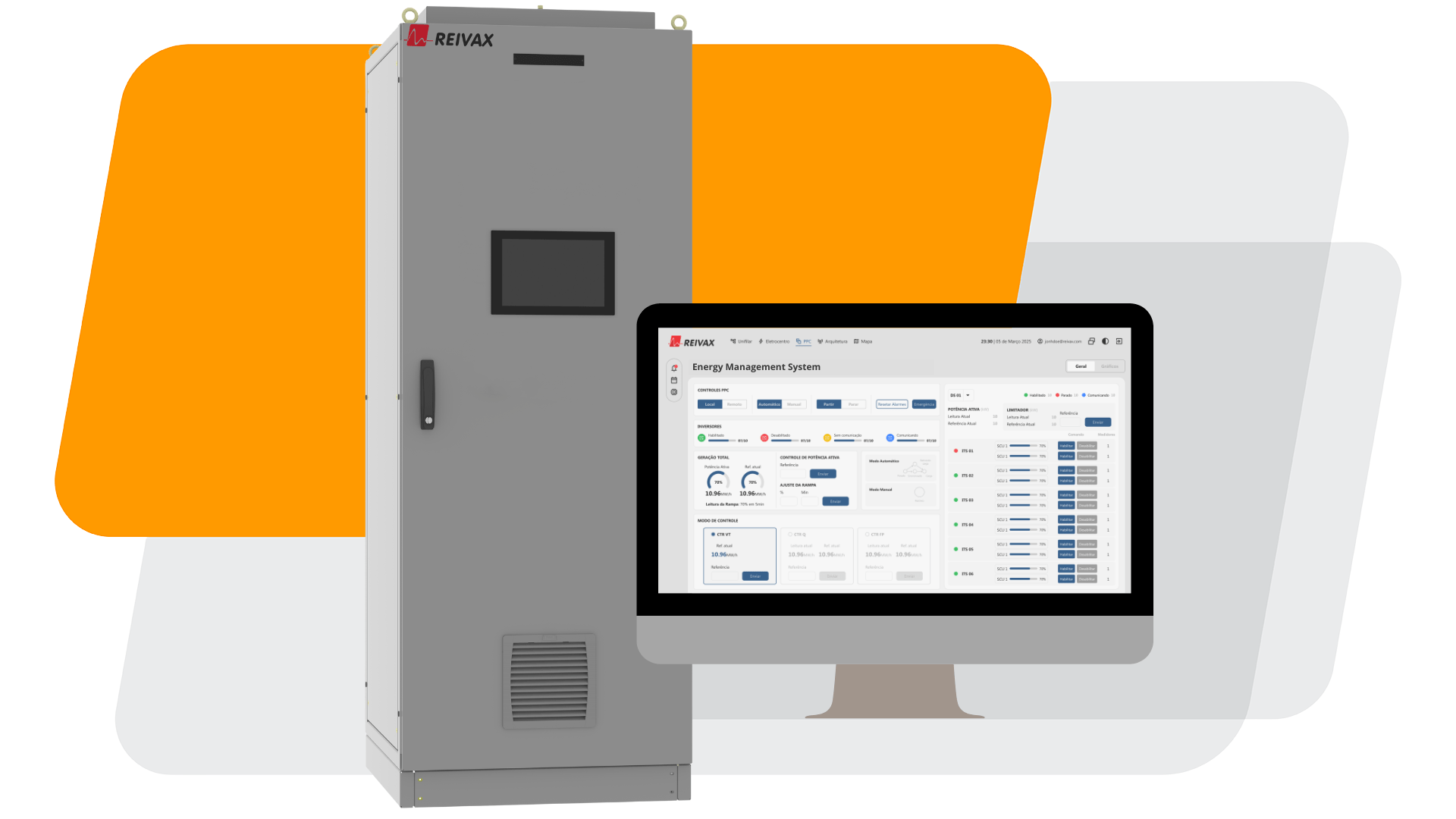
EMS – Energy Management System
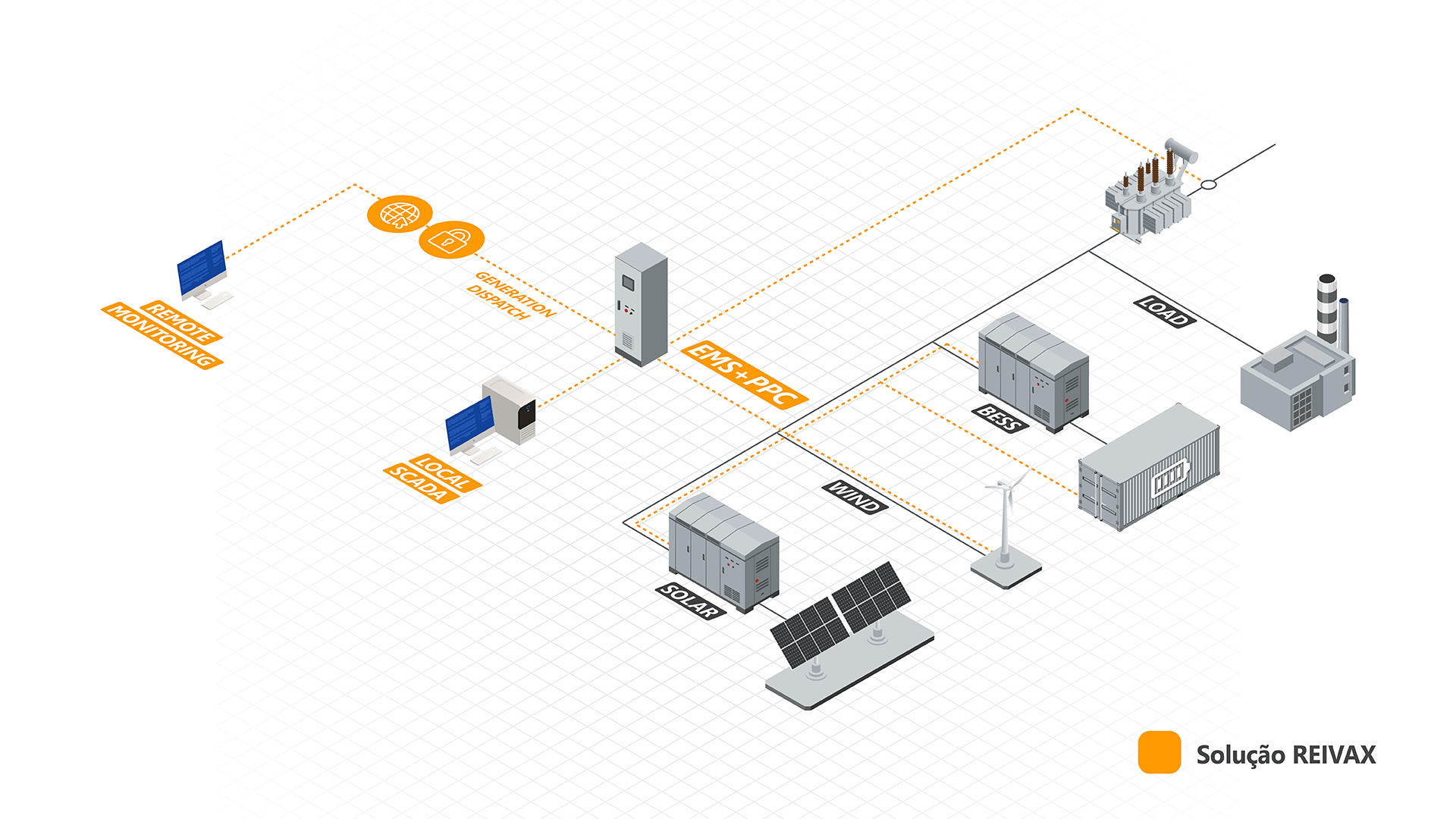
REIVAX Energy Management System, EMS, is the hardware and software solution responsible for monitoring, controlling and optimizing the operation of Battery Energy Storage System, BESS. The EMS coordinates the interaction of the BESS with renewable energy sources and the power grid for on-grid, off-grid and hybrid supply. The REIVAX EMS has the capability to control and integrate BESS with photovoltaic plants, wind farms and the main grid, as well as interact with diesel and gas generators to support both on-grid and off-grid operations.
EMS can be applied to manage various types of energy sources to meet specific application objectives such as peak shaving, energy scheduling, power smoothing, backup supply, black start recover, islanding and microgrid, with complying with grid code requirements imposed by network operators. Its applicability ranges from Front-of-the-Meter (FTM) to Behind-the-Meter (BTM) projects. In FTM projects, the EMS is typically used in standalone applications and hybrid plants, whereas in BTM, the EMS orchestrates multiple sources and equipment to ensure grid reliability for critical loads and data centers.
EMS MASTER CONTROLLER
The EMS Master has as its primary function of integrated optimization of the use of all available energy sources (solar, wind, hydro, thermal, diesel), aiming to meet defined strategic objectives such as reducing the use of polluting sources, economic optimization, increasing system reliability, or a combination of these factors. To achieve this, the EMS Master is responsible for the control strategy, being able to make coordinated decisions on when to charge or discharge the BESS, control generation from multiple energy sources and prioritize load consumption. The system can receive external commands from higher-level entities or operate autonomously, making decisions based on previously configured parameters.
The EMS Master can also be integrated with higher-level entities such as Virtual Power Plants (VPP), Transmission System Operator (TSO), Distribution System Operator (DSO) and Distributed Energy Resources Management System (DERMS), ensuring full integration with the power system operation ecosystem.
Finally, the EMS Master can operate in the monitoring and control of various IED’s such as protection relays and Point of Connection (POC) supervision, enabling centralized management of all sources and loads at the site in alignment with the defined operational objective. Its versatile architecture allows application in on-grid, off-grid and hybrid projects, including scenarios that require seamless transition between operating modes, provided it is properly coordinated with the PCS model and manufacturer.
PPC | Grid Conformity
Additionally, the EMS Master incorporates PPC functionality, enabling the application of dynamic limitations for utility-scale projects in accordance with grid code conditions. This capability ensures compliance with the code required by operators and regulators in different countries.
Applications
- Data centers
The EMS manages critical loads with a focus on preventing power interruptions, ensuring source redundancy, among other objectives. - BESS and Hybrid Plants
Compliance with grid code requirements, BESS operation or integration with other energy sources. - Microgrids
Interaction with other sources such as photovoltaics (PV) and wind, with or without connection to the main grid. - Grid-Connected
Optimization of energy source usage to reduce consumption while ensuring reliable power supply to loads.
Functionalities
The EMS makes decision based on real-time monitoring through information from BESS, solar generation, loads, tariff variations, weather seasons and grid conditions.
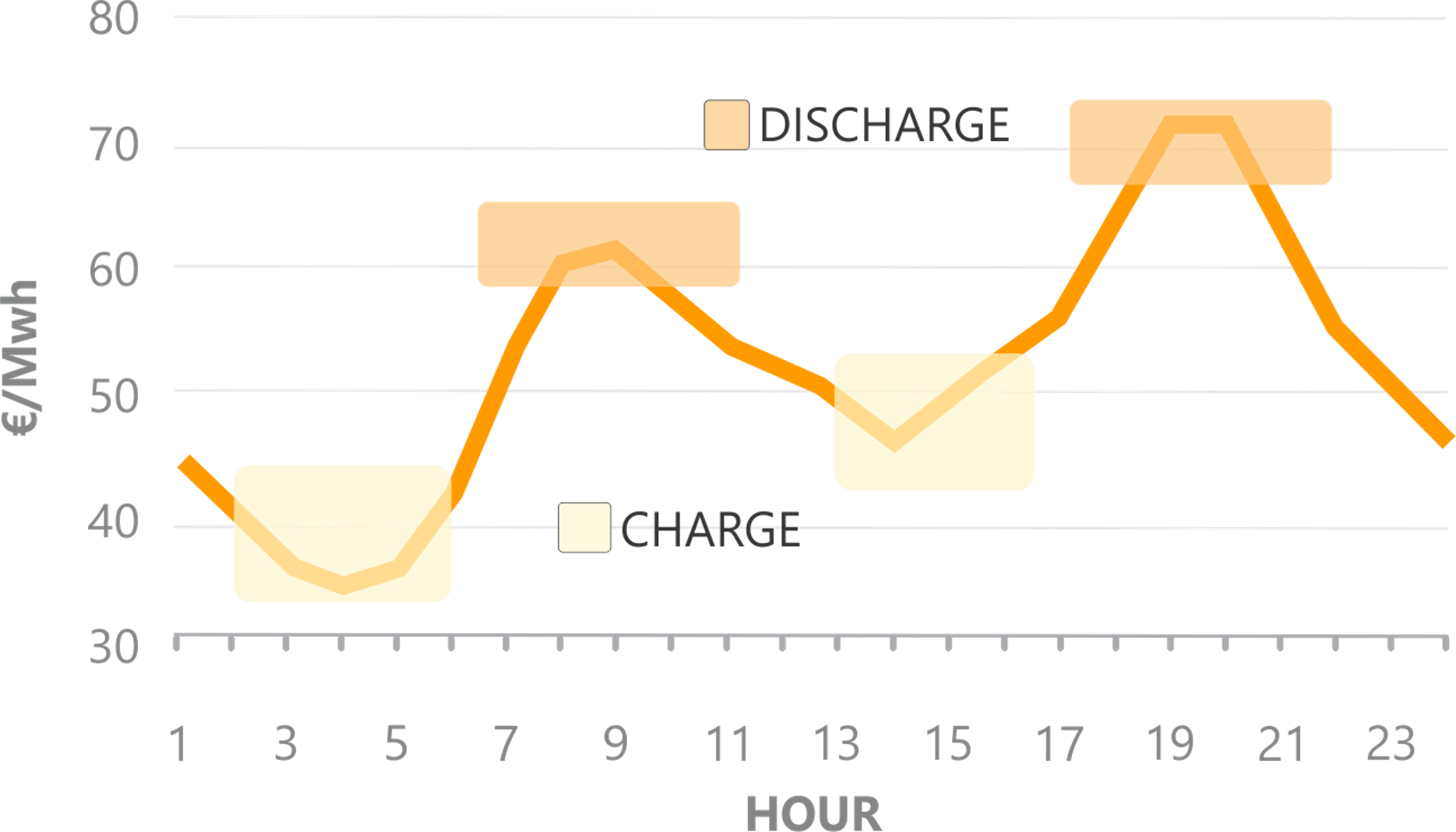
Energy Price Arbitrage
Based on tariff variation, the EMS decides when the batteries will go to charge and discharge.
Peak Demand Reduction
The EMS controls the batteries based on the instantaneous power of feeders to reduce peak demand.
Ancillary services
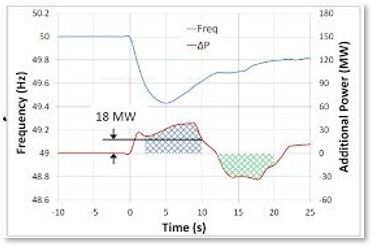
Voltage and frequency control.
Renewable Support
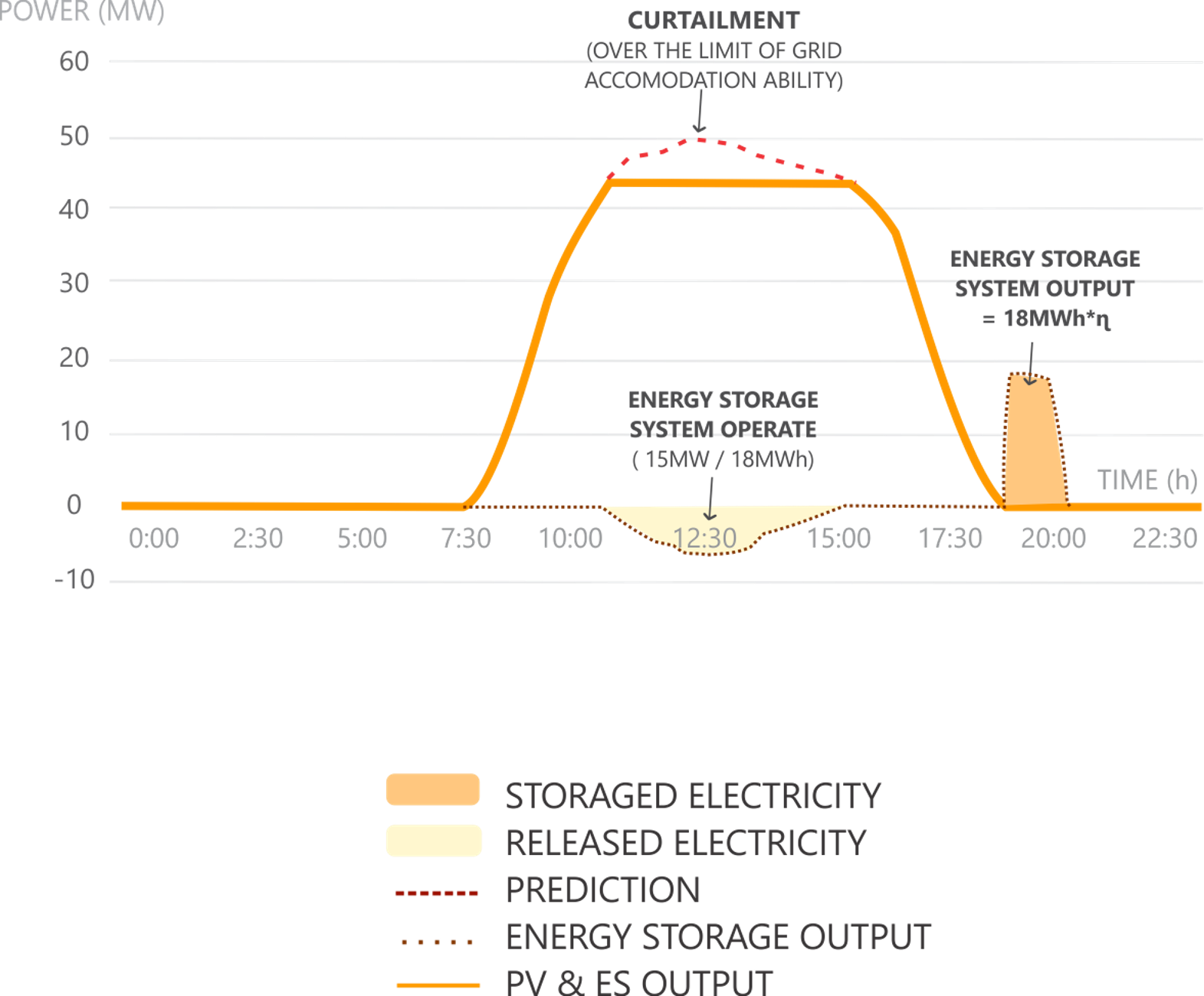
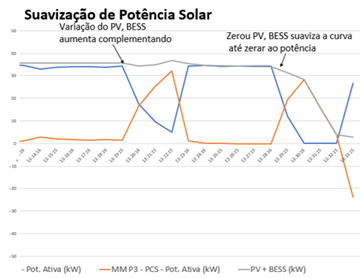
The EMS operates alongside intermittent sources to maintain continuous generation and optimize the use of generation capacity during curtailment.
Black start
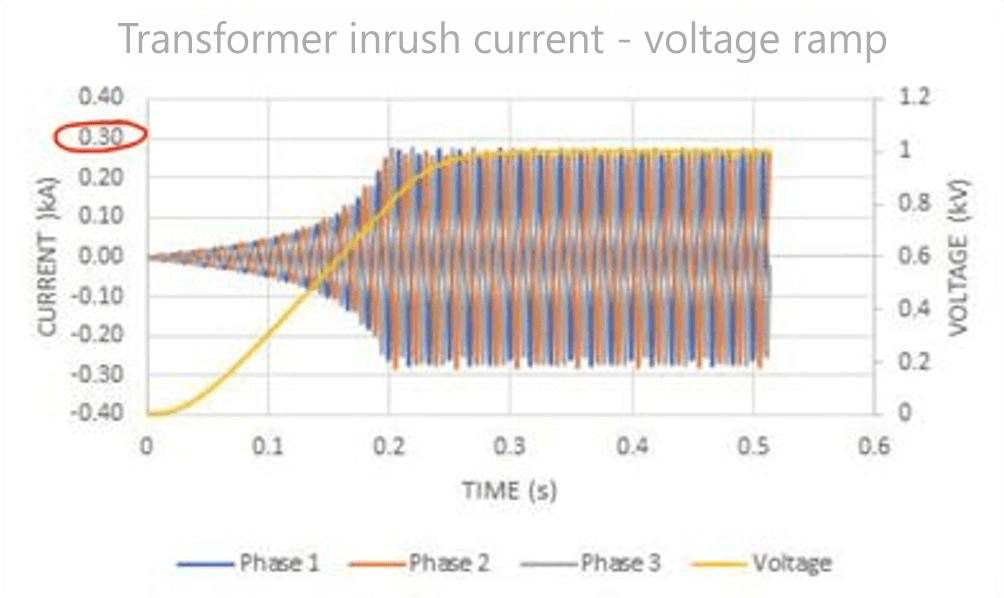
Capability to energize the site in the absence of a voltage reference.
Backup
The EMS can manage distributed sources so that loads remain energized even during grid disturbance events.
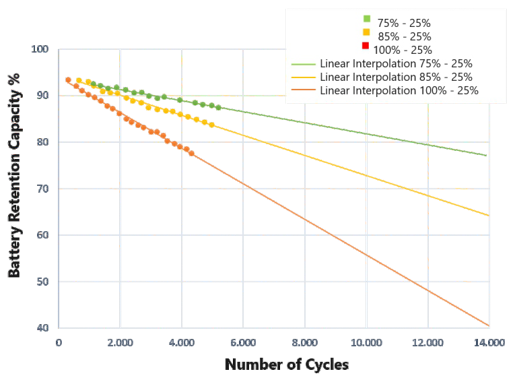
Battery Longevity
Maximization of battery lifetime through intelligent control.
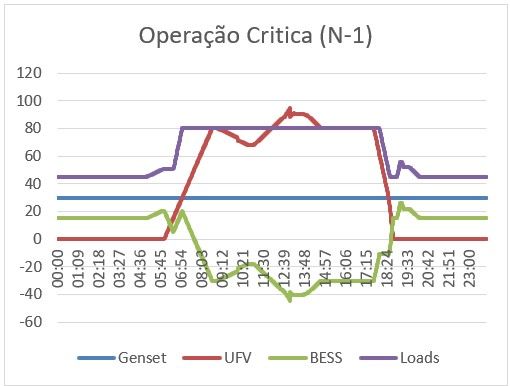
Critical Operation (N-1 Reliability)
Forn critical loads requiring supply from at least two sources, the EMS manages and distributes loads among the available sources.